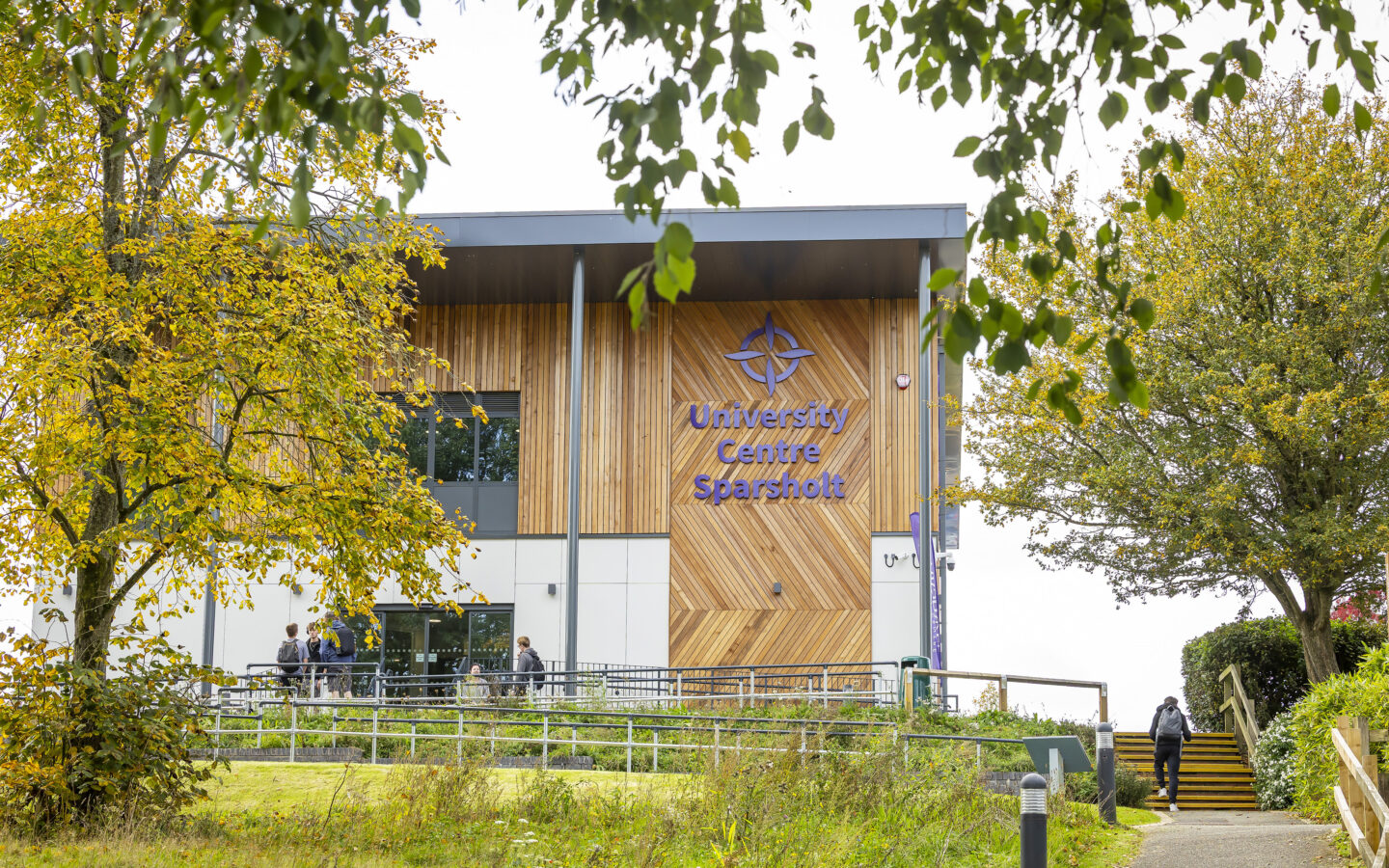
Home The Connected Curriculum

A modern, flexible and supportive learning experience designed for your future 

From September 2027, all programmes delivered at University Centre Sparsholt will follow the Connected Curriculum framework. This approach to the delivery of our courses ensures that your learning experience is contemporary, inclusive, career‑focused and grounded in real‑world practice.

The Connected Curriculum is built around four core pillars that shape every course: 

  • Contemporary curriculum — learning informed by current research, innovation and industry practice. 
  • Skills and employability — opportunities to gain the skills employers want, including mandatory placements, projects and real‑world experience. 
  • Inclusivity and support — teaching and support designed to help every student succeed. 
  • Authentic and altruistic learning — assessments and activities that mirror real professional tasks and encourage meaningful engagement. 
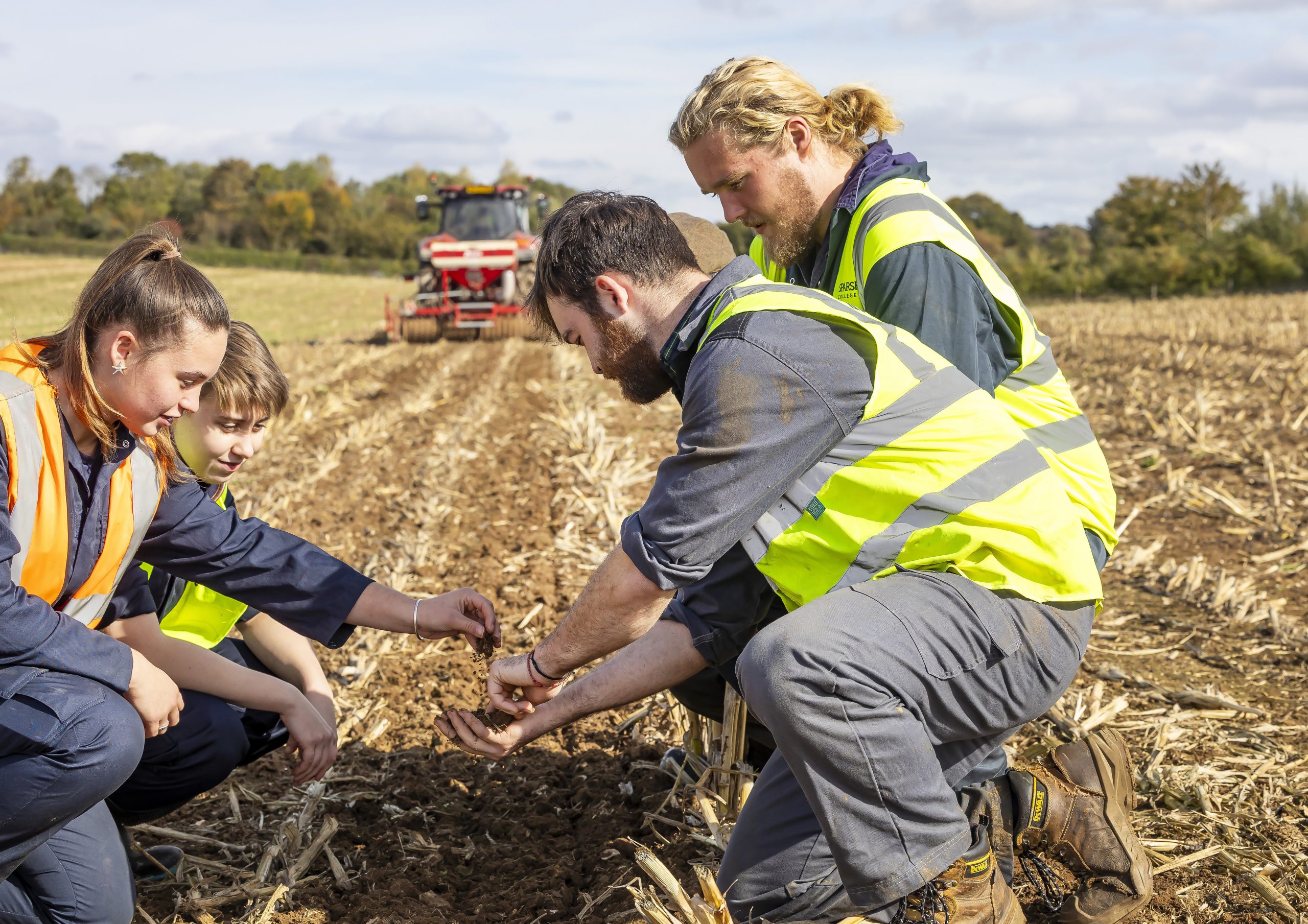
Agriculture students in high vis jackets in an agricultural field holding a handful of soil to assess quality

Your Study Journey

As you begin your journey with us, you’ll experience a high level of structured support to help you build solid foundations in your first year. As your confidence grows and your abilities develop, we’ll gradually step back, giving you the space to take greater ownership of your learning.

By the time you reach your final year, you’ll be equipped to embrace challenge as an independent thinker, ready to bring fresh ideas and the latest thinking into your chosen discipline.  

Typical course contact hours and expectations

Level 4 (Year 1) – Solid Foundations

Your first year is designed to help you settle into higher education, build confidence and develop the academic skills you need. 

Contact Hours: 50–70 hours in total for a 30-credit module and typically taught in a single term. You will study 120 credits at each level of your course.  

Learning Approach:

  • High levels of directed study 
  • Clear weekly structure 
  • Scaffolded tasks to build confidence 
  • Learning underpinned by work experience and exposure to relevant industry & learning environments. 
  • You will be given lots of guidance and instructions about what to study and when, so you know exactly what you need to do each week. 
  • Strong academic and personal support 

This aligns with the curriculum’s guidance that early levels should provide more structure to support transition. 

Level 5 (Year 2) – Get Job Ready

In your second year, you begin to take more responsibility for your learning while developing the skills employers value. 

Contact Hours: 40–60 hours in total for a 30-credit module and typically taught in a single term. You will study 120 credits at each level of your course.

Learning Approach:

  • Balanced mix of directed and self‑directed study 
  • More independent reading, research and problem‑solving 
  • Strong focus on employability and professional skills 
  • Opportunities for placements, live projects and industry engagement 

This is the year where you begin to apply your knowledge in more practical, career‑focused contexts. 

Level 6 (Year 3) – Embrace Challenge

Your final year is about stretching yourself academically and professionally. 

Contact Hours: 20–60 hours in total for a 30-credit module. You will study 120 credits at each level of your course.  

Learning Approach:

  • High levels of self‑directed study as you gain mastery in your discipline 
  • Major independent project or dissertation 
  • Professional‑style tasks and advanced problem‑solving 
  • Encouragement to push boundaries and challenge yourself 
  • Preparation for employment or postgraduate study 

This stage reflects the curriculum’s emphasis on developing adaptable, resilient graduates ready to thrive in diverse environments. 

A Variety of Assessment Types – Designed to reflect real professional practice

The Connected Curriculum emphasises authentic assessment, meaning tasks that mirror the kinds of work you’ll do in your career. You may be assessed through: 

  • Written coursework (essays, reports, case studies) 
  • Presentations (live or recorded) 
  • Practical assessments and fieldwork 
  • Portfolios 
  • Podcasts, videos or media artefacts 
  • Exams 
  • Group projects 
  • Online or open‑book assessments 
  • Industry‑style briefs, proposals or problem‑solving tasks 

We understand that everyone will have different strengths and may perform differently depending on the type of assessment. Offering choice in how you demonstrate your learning is both inclusive and empowering, so in some modules you’ll be able to select from a range of assessment formats. This flexibility allows you to showcase your understanding in the way that best reflects your abilities. 

Key Information

Fees & Finance

Find out more

Student life

Find out more

Accommodation

Find out more

Transport

Find out more

Student Support

Find out more